


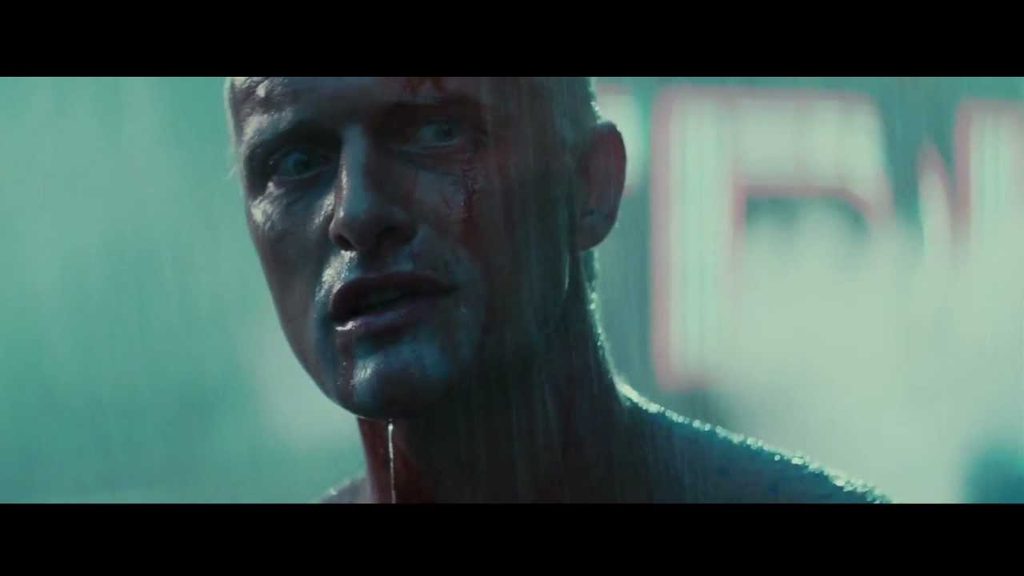
“Lost, in time, like tears in rain.” A life of meaning that, in death, disappears. The phrase comes from the film Blade Runner. In his final soliloquy, Batty, the android who has become sentient, tells of his life experience and meaning. The phrase, perhaps more sadly, describes the impact of so many presentations. Lost, in time, like tears in rain. Is that what you hoped for in constructing and delivering your presentation?
I have been sharing ideas on presentations for over a decade. Initially, it was just growling, in the dimmed light of lecture theatres, at the lost opportunity of learning experiences as presenter after presenter read out their bulletpoints and audiences strained, not towards understanding, but towards the next coffee break. Something needed to change, but I didn’t know what. I knew presentations weren’t working but I couldn’t understand why, nor what could be done. Are you there?
I was offered the opportunity of presenting to my hospital at Grand Rounds and although the presentation highlighting problems came together reasonably easily in practice it felt weak, only loosely based in science and finishing with a plea for change with no emotional catch. The night before I watched Blade Runner, again. Since that day, I have returned to this quote in lectures, almost without fail, because of the emotional impact. Is a delivered presentation no more than that, lost in time, like tears in rain?
Batty says this, “I’ve seen things you people wouldn’t believe. Attack ships on fire off the Shoulder of Orion. I’ve seen C-beams, glitter in the darkness near the Tannhauser Gate. All of these moments, will be lost, like tears in rain.”
It struck me that as presenters we have the opportunity to tell about the things others have never heard, never seen or never understood. We have had insights, done research, made decisions that we want to share. And yet, by the way the presentation has been constructed and delivered, all of those moments, all of those ideas and life changing opportunities have been lost, in time, like tears in rain. Not because we didn’t care, not because we didn’t put in effort but because of the nature of our presentations.
Then, in the film, Batty says, “time to die” and his existence ends. The dove he has been cradling, flies up and away from his lifeless arms. The symbolism is exquisite. We must let the old ways of presenting die. And in that death will come the release to be different, to fly, to try new ways of communicating. Our stories, our insights and our ideas should change the world, not be lost in time.