p1

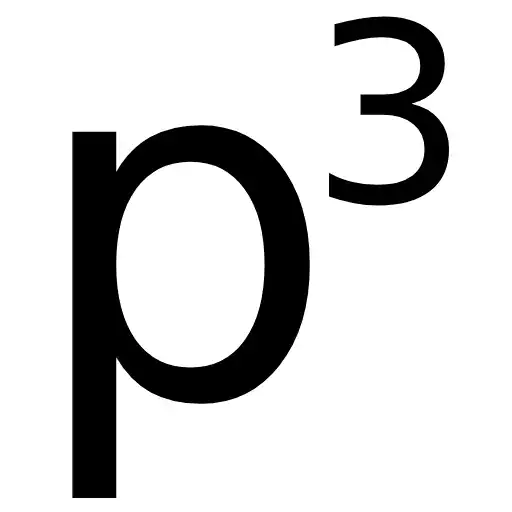
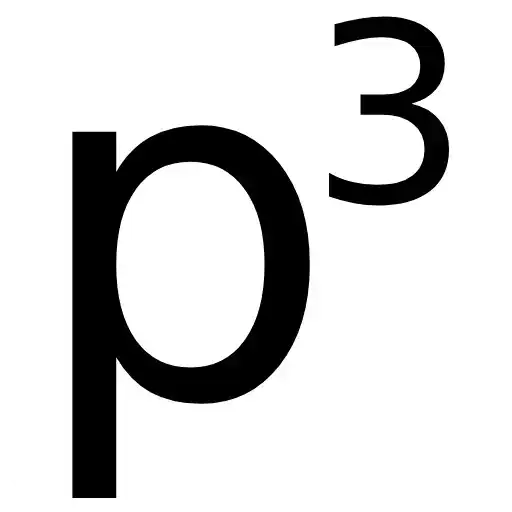
p1 is the basis of the presentation. It is the data, the story, the message that the presenter wishes to deliver to the audience. This section covers blog posts that address any part of the construction of p1; taking the “what” of the data and converting it into a “so what” for the particular audience. In particular, this covers audience needs, the value of a single, identifiable message, an elevator pitch, the arc of the story and development of sparklines.

The cornerstone articles on p1 are below but please surf through the links to gain a deeper understanding of why p1 (the story) is the basis of your presentation and must be the starting point in construction.

1.Hysteron proteron – the place to start with a presentation is the message.

2. It is not acceptable or valuable to just talk, you must have a message.

3. The aim and objective of a presentation are not the same thing.

4. The best presentations are planned analog. Shut the laptop and be creative.

5. Consider principally “why” you are presenting, not what to present.

p1 posts

Form affects design. What is the purpose of the media

Resonate

A presentation must resonate with its audience. There is no value is simply listing facts, they need to have meaning for the audience. Whether that is an inspirational talk, a…

shoreline image of a message within a glass bottle

Your message

Your message should identify the objective of the presentation. It is from your message that the audience will reconstruct the details of the presentation and may change their behaviour towards...

one ring to rule them all. the ring from Lord of The Rings

One change

One change to change your presentations, forever. One change to engage every audience you present to. One change to set you as an inspiration to everyone who seeks to improve…

Freytag’s Pyramid

The reason the majority of data-driven presentations fail is ignorance of effective presentation structure. Freytag’s Pyramid describes a storytelling framework originally designed to analyse dramatic works. it offers an effective,…

Total recall

Are your presentations stuck in total recall mode? Most presentations flood audiences with facts, demand memorisation with no space or help to achieve this, and hope something sticks. Real learning,…

How to engage online audiences

How to engage online audiences

How to engage online audiences is a real challenge. There are a multiplicity of distractions and the audience has learned, very quickly, that the majority of online presentations are worse…

Engaging online audiences

Engage online audiences with a presentation is a real challenge. There is a multiplicity of distractions and the audience has learned, both quickly and sadly, that the majority of online…

advocacy requires more than numbers

Advocacy needs more than numbers

The story of Ignaz Semmelweiss should be encouragement to many presenters that advocacy needs more than numbers to persuade audiences. Data alone, despite the underlying belief of many audiences, is…

  • The gift of time

    One of the reasons there are very few…

  • Where, precisely are you going?

    The key mistake made in preparing a presentation…

  • Increase signal to noise ratio

    One of the key concepts in improving your…

  • One Hundred Posts!

    Way back in March 2013 I published my…

  • The 5 Ps of Presentation

    In order to improve the value of a…

  • Trees, not chains.

    Organising knowledge requires a conceptual tree of information,…

  • What’s it all about?

    Can you tell me, in ONE sentence, what…

  • It’s just not scientific…

    Recently I shared ideas with a colleague about…

  • So what.

    The purpose of your presentation is to turn…

  • The maximum number of words on a slide is zero.

    A recent question on twitter to me was,…