p1

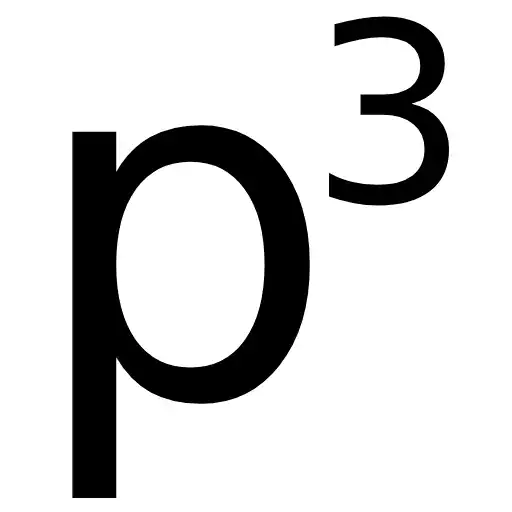
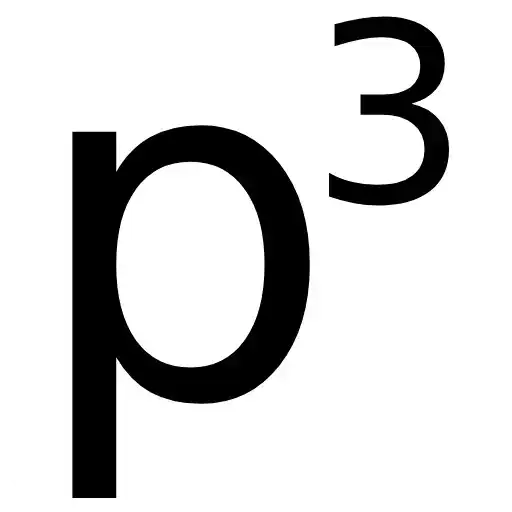
p1 is the basis of the presentation. It is the data, the story, the message that the presenter wishes to deliver to the audience. This section covers blog posts that address any part of the construction of p1; taking the “what” of the data and converting it into a “so what” for the particular audience. In particular, this covers audience needs, the value of a single, identifiable message, an elevator pitch, the arc of the story and development of sparklines.

The cornerstone articles on p1 are below but please surf through the links to gain a deeper understanding of why p1 (the story) is the basis of your presentation and must be the starting point in construction.

1.Hysteron proteron – the place to start with a presentation is the message.

2. It is not acceptable or valuable to just talk, you must have a message.

3. The aim and objective of a presentation are not the same thing.

4. The best presentations are planned analog. Shut the laptop and be creative.

5. Consider principally “why” you are presenting, not what to present.

p1 posts

Engaging online audiences

Engage online audiences with a presentation is a real challenge. There is a multiplicity of distractions and the audience has learned, both quickly and sadly, that the majority of online…

advocacy requires more than numbers

Advocacy needs more than numbers

The story of Ignaz Semmelweiss should be encouragement to many presenters that advocacy needs more than numbers to persuade audiences. Data alone, despite the underlying belief of many audiences, is…

three obstacles

Three obstacles

A useful tool in preparing a presentation is to consider the principal three obstacles an audience may have to accept the intended message. A great presentation has a single message…

Message not story

Message not story is the basis of a good presentation. We must communicate effectively with our audience and leave them with a message regarding the information delivered not simply a…

structure

structure helps

Structure helps both the presenter and the audience. It underpins the message, the media and the delivery. Structure is essential. Without structure a presentation is challenging to deliver, seldom has…

listing facts

listing facts

Listing facts is the basis of most presentations. It is not effective teaching. The education value of such a presentation is very small, possibly even negative. As the audience read…

Structure helps retention

Structure helps retention of a message. A presentation is never a data download. It is simply not possible for an audience to retain large volumes of data delivered through a…

take home message

Take home message

A take home message can only be one item. We cannot remember more than three new items and most people at a presentation are not actively trying to memorise things.…

  • Message not story

    Message not story is the basis of a…

  • listing facts

    Listing facts is the basis of most presentations….

  • Structure helps retention

    Structure helps retention of a message. A presentation…

  • Take home message

    A take home message can only be one…

  • Give the message early

    Give the message early in a talk so…

  • lists of facts

    Lists of facts do not make a good…

  • Be succinct

    Be succinct. A great presentation has a single,…

  • Good analogy- guest post

    A good analogy can make or break a…

  • Effective communication

    The purpose of a presentation is effective communication….

  • Lessons from The Sensei (4) creativity

    In the 4th of a series of Lessons…