How to “do” a presentation #htdap

How to do a presentation is an ordered list. Please follow the steps, in order. I think you’ll find the result both illuminating and rewarding. There are lots of links to other posts that deal with the issues in a…



How to do a presentation is an ordered list. Please follow the steps, in order. I think you’ll find the result both illuminating and rewarding. There are lots of links to other posts that deal with the issues in a…

Less words.Less complexity.Less facts.Less bulletpoints.Less datapoints.Less graphs.Less clip art.Less annotation.Less slides.Less rambling.Less apologising.Less time.Less is more.

I had the misfortune yesterday to sit through five presentations, which as a group, were possibly the worst presentations I have seen in many years. Uniformly, none of the presenters had a point to their talks, they simply recited a…

Organising knowledge requires a conceptual tree of information, not a chain.The structure of a concept is complex, not linear. Presenting knowledge in a linear fashion limits the ability of an audience to process this structure and therefore limits understanding. Linkage…
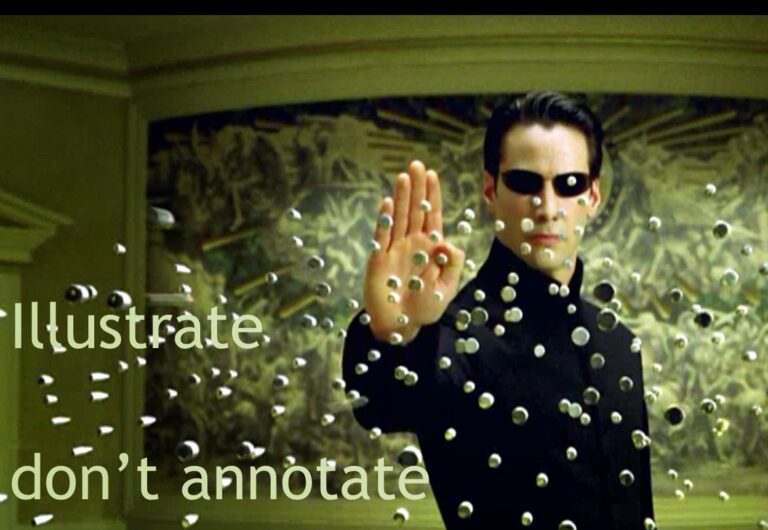
The route to a better presentation has been detailed in many previous blog posts. If I could give you only one tip to improve your next presentation it would be in considering your p2, the supportive media. Illustrate, don’t annotate.…
Can you tell me, in ONE sentence, what your presentation is all about? if you can’t you don’t know what it is about.This picture shows four of the riders on The Tour de France yesterday. We can see King of…
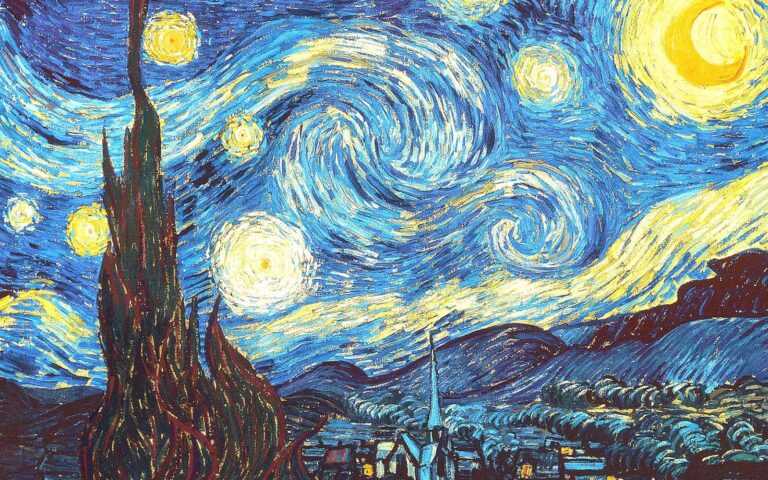
It is always encouraging to me to hear of colleagues who have put into practice their ideas on improving presentations and share their feedback. In another guest blog Emma shares her thoughts. Please read and check out her beautiful slide…

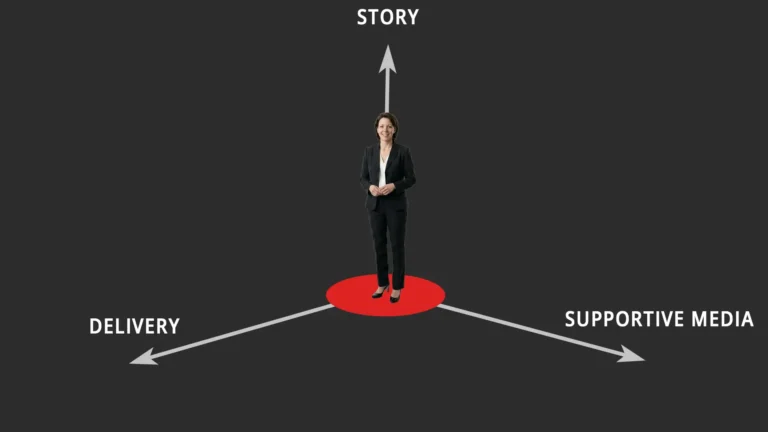
Recently I shared ideas with a colleague about presentations and she significantly altered the supportive media (p2) of her upcoming presentation. She was very pleased with her performance and the reception of the presentation by the audience (p cubed) but…
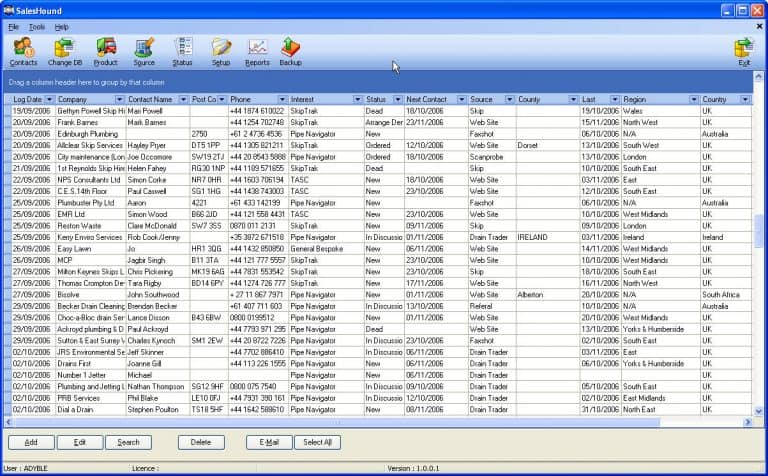
The purpose of your presentation is to turn the “what” of your information into the “so what” of your message (p1). Sadly, most presentations leave the audience adding a question mark to that sentence. Information in and of itself may…
The scientific literature is clear regarding the many proven behavioural flaws in the nature of a standard “powerpoint” delivery. My “Presentations Skills” presentation has expanded to cover more of the evidence behind what many understand implicitly. Something I fail to…