
Complex data is not made simple by complex data slides. Data itself is not complex; how data is presented makes it complex. The purpose of a presentation is not to present complex data but to communicate. The two are not the same.
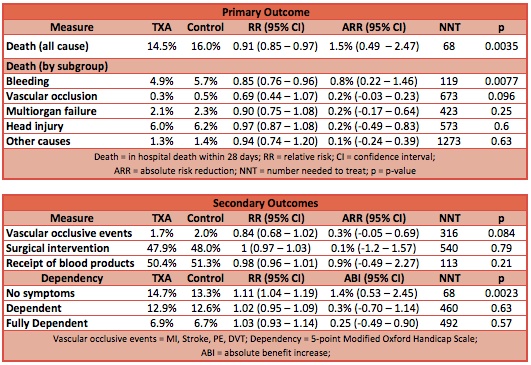
A constant excuse for bad (scientific) presentations is, “I need to present complex data.” I don’t believe that is true. I mostly see presentations where data is presented poorly, in large volumes and with unnecessary complexity, not due to the nature of the data itself but failure on the part of the presenter to identify the important data, clarify and then deliver that data. Data itself is not complex. It is how we present it that makes data complex.
Albert Einstein, who knew a thing or two, is recorded in his 1933 Herbert Spencer lecture at Oxford University as saying, “…the supreme goal of all theory is to make the irreducible basic elements as simple and as few as possible without having to surrender the adequate representation of a single datum of experience.” Which is pretty cool when it describing the delivery of complex data. As simple as possible, no simpler. Most (scientific) presenters fail in this.
I believe the failure comes not of being unable to simplify the data but simply failing to simplify the data. The perceived requirements of “deliver everything because that’s what is required,” overwhelms the logical and educational approach and consequently everything is thrown into the presentation in the vainglorious hope that the audience will filter, process and arrange the complex data and leap to the same, logical and obvious conclusion as the presenter. This itself is virtually impossible but made much, much worse by the volume of the data, the lack of structure in the message and then the visual chaos of asynchronous and overwhelming delivery on a screen. The data is made complex, impenetrable and functionally useless. The presentation fails.
What then should one do? Simply listen to Einstein. Firstly, reduce the volume of data to that which can no longer be reduced. What is fundamental, not simply descriptive.? Simplify this, that it might be understood. And as few as possible. Then, if required, prepare a visual representation, not of all the data but of each, key point. Not every point, only that which is essential. This is not obfuscation, not patronising but effective. The data is not complex, it is how you present it that makes it complex data.