
p1

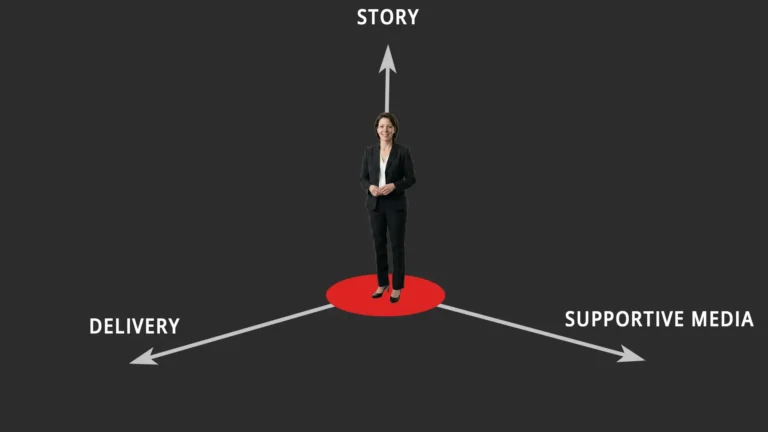
p1 is the basis of the presentation. It is the data, the story, the message that the presenter wishes to deliver to the audience. This section covers blog posts that address any part of the construction of p1; taking the “what” of the data and converting it into a “so what” for the particular audience. In particular, this covers audience needs, the value of a single, identifiable message, an elevator pitch, the arc of the story and development of sparklines.

The cornerstone articles on p1 are below but please surf through the links to gain a deeper understanding of why p1 (the story) is the basis of your presentation and must be the starting point in construction.

1.Hysteron proteron – the place to start with a presentation is the message.

2. It is not acceptable or valuable to just talk, you must have a message.

3. The aim and objective of a presentation are not the same thing.

4. The best presentations are planned analog. Shut the laptop and be creative.

5. Consider principally “why” you are presenting, not what to present.
p1 posts

Sparklines

The most important part of your presentation is p1 (the story). A presentation is not simply a list of facts: it is your personal interpretation of those facts for the…

I need to present more data. You don’t

A frequent question from clinicians about presentations involves “all the data I need in my presentation.” I’ve addressed this before in various posts but it bears repeating. At a scientific…

Prepare for failure

SO, the Chair has introduced you and you stride up to the stage, there’s a flicker behind you and your title slide appears on the 20m high screen. You press…

It’s for you…

There’s a great post over on at  giving an impassioned plea from audiences in scientific meetings about what “powerpoint” is doing to medical conferences and how changing it makes a…

It’s .pptx not .docx

A common mistake in attempting to deliver a (scientific) paper is the failure to recognise the difference between a document and a presentation. They are not the same. Perhaps the…

Delete your slides

I received a question via Twitter about #presentationskills and where I might focus beginning the journey of improvement. As with so many things, the more I considered the issue the…

Design affects function

Simple design changes in the supportive media  make dramatic differences to the audience’s perception of value in a presentation. The overall value of a presentation (p cubed) is the product…

  • Give the message early

    Give the message early in a talk so…

  • lists of facts

    Lists of facts do not make a good…

  • Be succinct

    Be succinct. A great presentation has a single,…

  • Good analogy- guest post

    A good analogy can make or break a…

  • Effective communication

    The purpose of a presentation is effective communication….

  • Lessons from The Sensei (4) creativity

    In the 4th of a series of Lessons…

  • Lessons from The Sensei (3) beginner’s mind

    Do it the way you’ve always done it….

  • Lessons from The Sensei (2) Turn off the computer

    Continuing the series of thoughts I learned from…

  • Lessons from the Sensei (i) effective visual message

    I was privileged to spend time recently with…

  • Why are you presenting?

    The most important question a presenter should address…