Author Archive: ffolliet

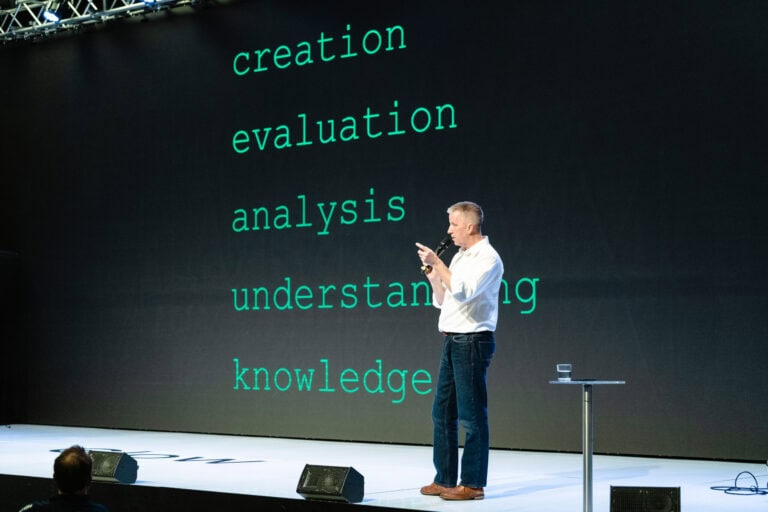
At work I'm a Consultant Paediatric Surgeon. That involves Surgical Oncology, Neonatal Surgery and Trauma. There's also a lot of teaching and mentoring. None of this actually makes me particularly clever. I'm pretty heavily into improving presentations and long for the world to lay down the weapon of bulletpoints and embrace creative and engaging presentations. I lead presentation workshops and am currently working up a book on presentations. I did a wee thing at TEDx Stuttgart in 2014 of which I'm quite proud https://www.youtube.com/watch?v=qFza3W87eDg Outside all of that I struggle to keep fit, cycle a bit and the odd triathlon. I'm a father, singer, laugher, learner, sharer, blogger, thinker, strummer and much more.

Wallpaper

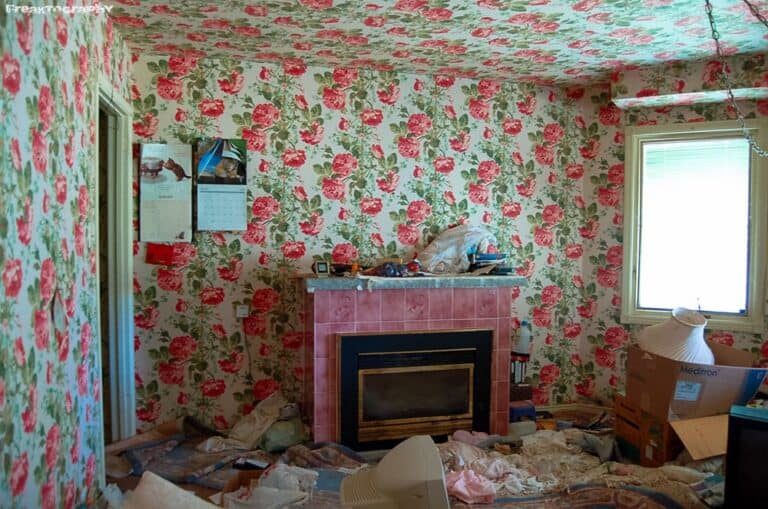
horrible wallpaper covering even the ceiling

Choosing wallpaper for a room involves decisions of colour, pattern, and density. Buying wallpaper before you have even bought the house it is going in makes no sense. But you probably decided on the template for your last presentation before you considered the content. Presentations are not about the decoration.

Juggling

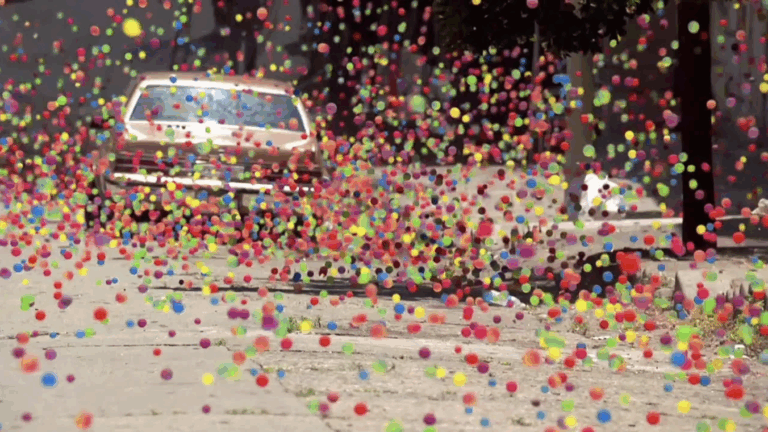
millions of bouncing balls falling down the street in LA

Everyone can toss a ball up and catch it. Many people can do that with two balls. When there are three balls it is officially called juggling. Personally, I can juggle three balls with lots of patterns. The world record for “toss juggling” that is balls successfully in a pattern, caught twice, is 11. The average presentation is like the Sonia Bravia advert of bouncing balls falling down the streets of Los Angeles. Our brains weren’t built for this. Juggling is fine for three balls (or facts).

Blue wave

microsoft blue wave slide template background

The blue wave is everywhere you look, and it defines presentations. Not from a design perspective because it sucks but because it defines how you and the world have learned to give presentations, by copying. If presenting feels hard, it is not because something is wrong with you. It is because no one ever showed you how to do it differently. You inherited a format, the template. The software opens with a title box, a bulletpoint list and the default template background. You went with the blue wave because everyone else does. You’re not lazy or careless, you are just doing what the system does; the blue wave.

In a mirror, darkly

The phrase ‘in a mirror, darkly’ comes from the Bible. It describes a first-century mirror, not made of glass but of polished metal. What that showed was a poor, dark reflection, not a true one. Blurred. Distorted. Partial. As a presenter at a conference you will have rehearsed your script, loaded the slides, stood in front of the mirror and checked your appearance before confidently walking onto the stage reflectiung that everything was in place. What if the mirror doesn’t show what actually matters? What if the reflection is like looking in a mirror, darkly?

Thank you.

bored audience looking at the stage

“Thank you.” That phrase you’ve been aiming to deliver for weeks now. You have finished your talk. There is polite applause, you smile gratefully, and maybe even someone congratulates you. You return to your seat feeling a deep relief, even pride. It worked. The slides were great, the timing was perfect, and you hit every point. It felt good, clear, like you communicated.

You’re a better presenter

a man sweeping the tide with a broom

You’re a better presenter right now, simply because you are considering presentations more consciously. You’re a better presenter because you want to stop the presentation paradox. You’re a better presenter because you have visited this site, even if that is just with questions. You’re a better presenter because you want to see change in presentations.

Why do you have slides?

Why do you have slides in your presentation? Whether this is an in-person or online presentation, the answer to this question is foundational to any changes one would consider in the construction of a presentation. Using slides as a script,…
Read more

Schrodinger’s slides

Schrodinger’s slides are both there and not there at the same time. Sadly, this analogy describes many presenters’ approach to their supportive media; It is either there or not there. The decision rests with the audience. Schrodinger’s slides are either there and we will read them (because of science) or they are not there as the speaker ignores them. In this thought experiment, the audience will stop listening and default to reading Schrodinger’s slides.

Your message

Your message should identify the objective of the presentation. It is from your message that the audience will reconstruct the details of the presentation and may change their behaviour towards the desired objective. Your message is key to the translation of aim to objective.

Podium problems

Many conference presentations are set up with a podium. Be aware that podium problems will affecting the p cubed value of your presentation.