

p1
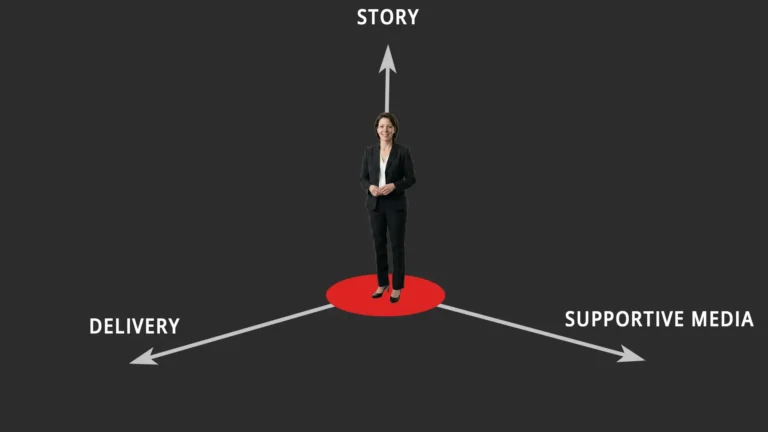
p1 is the basis of the presentation. It is the data, the story, the message that the presenter wishes to deliver to the audience. This section covers blog posts that address any part of the construction of p1; taking the “what” of the data and converting it into a “so what” for the particular audience. In particular, this covers audience needs, the value of a single, identifiable message, an elevator pitch, the arc of the story and development of sparklines.
The cornerstone articles on p1 are below but please surf through the links to gain a deeper understanding of why p1 (the story) is the basis of your presentation and must be the starting point in construction.
1.Hysteron proteron – the place to start with a presentation is the message.
2. It is not acceptable or valuable to just talk, you must have a message.
3. The aim and objective of a presentation are not the same thing.
4. The best presentations are planned analog. Shut the laptop and be creative.
5. Consider principally “why” you are presenting, not what to present.
PechaKucha :Twenty, 20 sec tips.
I recently had the opportunity to present at a PechaKucha event. The word itself means “chitchat” in Japanese and is a presentation format with a strict structure; twenty slides, each…
Einstein
This applies to your story (p1)This applies to your supporting media (p2)This applies to your delivery (p3)If you consider the arc of the story first (please do) then instead of…
My Boss won’t like it…
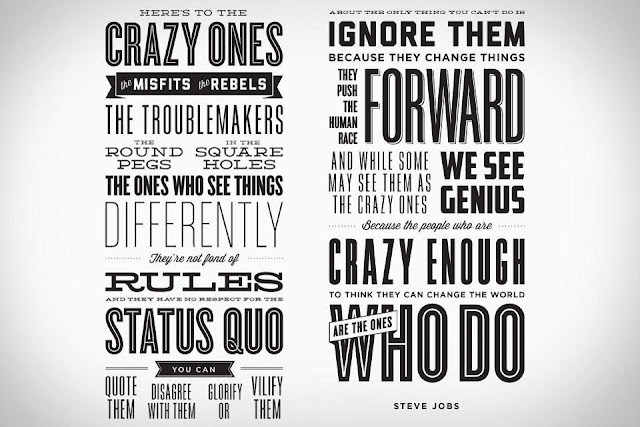
This isn’t another post persuading you to give up bulletpoints; if you’ve come this far and still cling to them, then you are deluded. This is a post about why…

This is a blog post
This is the introductory paragraph. It is difficult to understand the origin but a combination of the perfect script and the perfect handout has led to the annotation of absolutely…
So, I was wrong.
I’ve got a confession. I was wrong. I don’t think you lot are up to it.The best way to construct a presentation is to construct a story (p1), storyboard that…
You’ve got 3 seconds…
Nancy Duarte (amongst others) suggests in her meisterwerk “Resonate” that a slide/image needs to be understood in under 3 seconds or the audience will have to turn its attention from…
What sort of presenter are you?
One of the tests of a descriptive model such as the p cubed concept (p3) (that a good presentation is a combination (the product) of the story (p1), the supportive…
Changing your slides won’t improve your presentation. (much)
Too often I hear people say, “I really liked your presentation, I’m going to change my slides.” Whilst on one level I rejoice, it is not that bulletpoints themselves offend…