

p1
p1 is the basis of the presentation. It is the data, the story, the message that the presenter wishes to deliver to the audience. This section covers blog posts that address any part of the construction of p1; taking the “what” of the data and converting it into a “so what” for the particular audience. In particular, this covers audience needs, the value of a single, identifiable message, an elevator pitch, the arc of the story and development of sparklines.
The cornerstone articles on p1 are below but please surf through the links to gain a deeper understanding of why p1 (the story) is the basis of your presentation and must be the starting point in construction.
1.Hysteron proteron – the place to start with a presentation is the message.
2. It is not acceptable or valuable to just talk, you must have a message.
3. The aim and objective of a presentation are not the same thing.
4. The best presentations are planned analog. Shut the laptop and be creative.
5. Consider principally “why” you are presenting, not what to present.
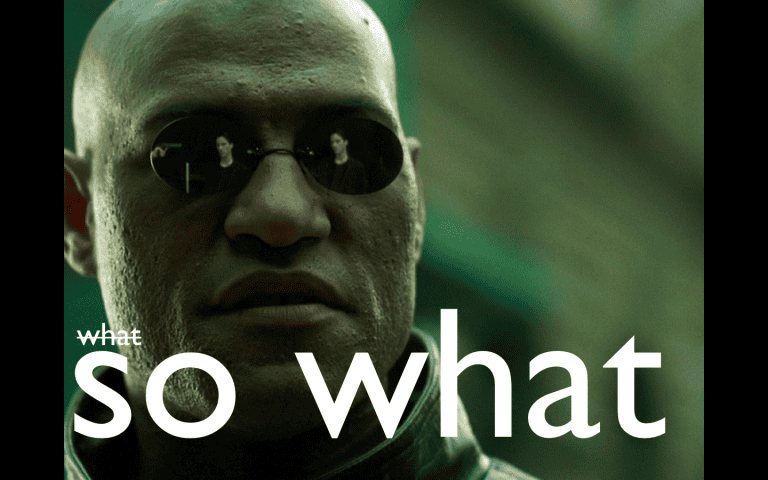
Effective communication
The purpose of a presentation is effective communication. Effective communication is not recitation of a list of facts. Effective communication is about a message. That message is only effective from…

p1 is not a story, but the story.
Every presentation is made up of three parts; p1 the story, p2 the supportive media and p3 the delivery. p1 is not “a” story, once upon a time or somesuch,…
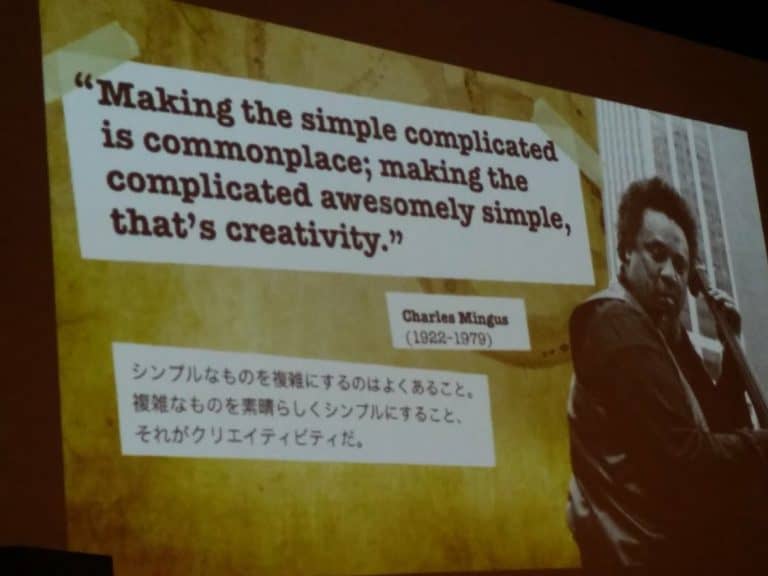
Lessons from The Sensei (4) creativity
In the 4th of a series of Lessons I learned from a presentation by Garr Reynolds (my Sensei) I’d like to consider creativity in presentations. Delivering a presentation is more…
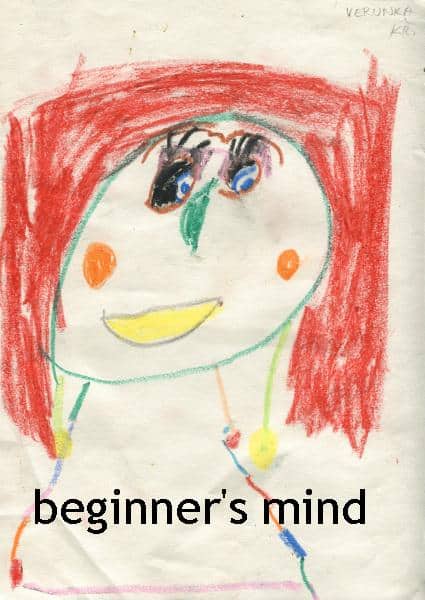
Lessons from The Sensei (3) beginner’s mind
Do it the way you’ve always done it. You can do that, you’re not good enough. Where is the standard background? Not enough text. Use a pie chart. Make sure…
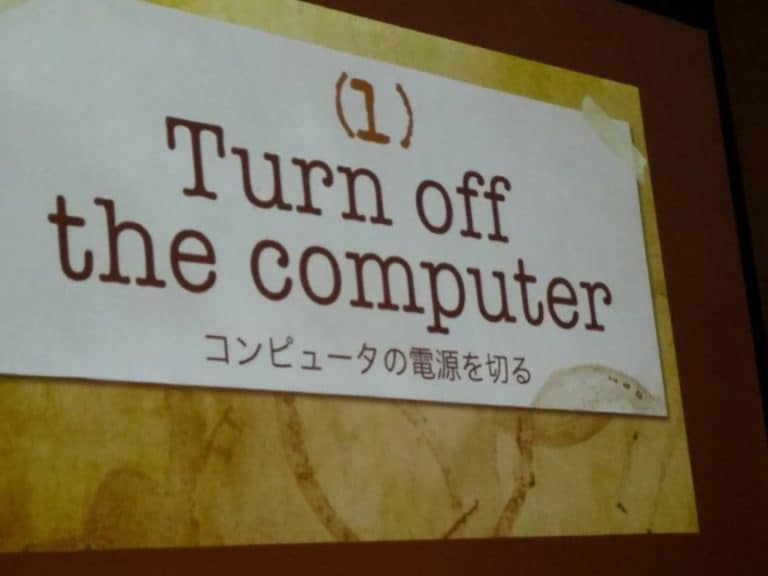
Lessons from The Sensei (2) Turn off the computer
Continuing the series of thoughts I learned from The Sensei on design issues, perhaps the most important is to turn off the computer. The rationale behind this is clear, the…
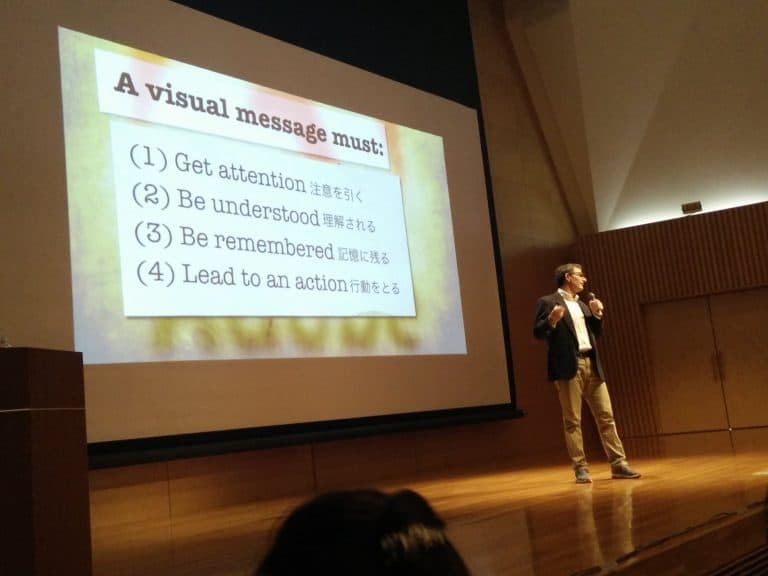
Lessons from the Sensei (i) effective visual message
I was privileged to spend time recently with Garr Reynolds, author of Presentation Zen and really my Sensei (Teacher) in starting my journey in all things presentation. His books are…
Why are you presenting?
The most important question a presenter should address is “Why am I presenting?” The answer has nothing to do with your status, your previous presentations or your knowledge and everything…
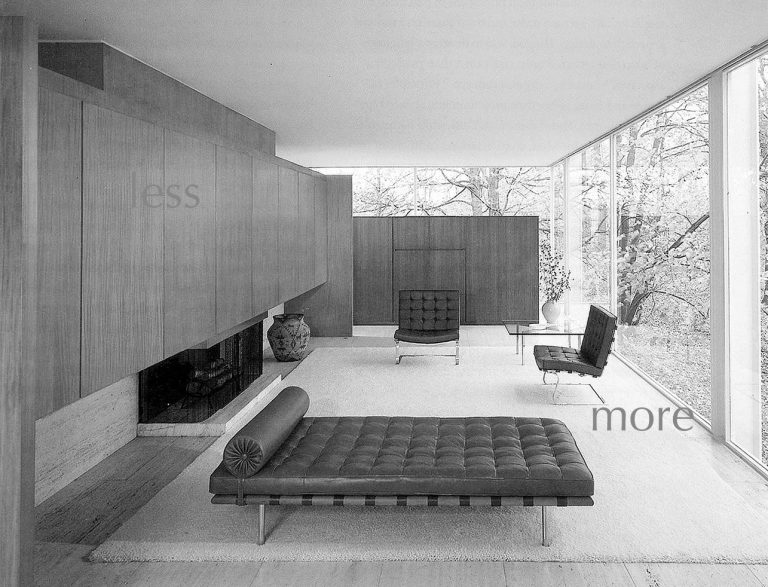
Less is more. Again
Less is more. “Clean, uncluttered lines” is a design motif that appeals aesthetically. The same should be applied to the story (p1). More words, more facts, more explanation does not make…