

p1
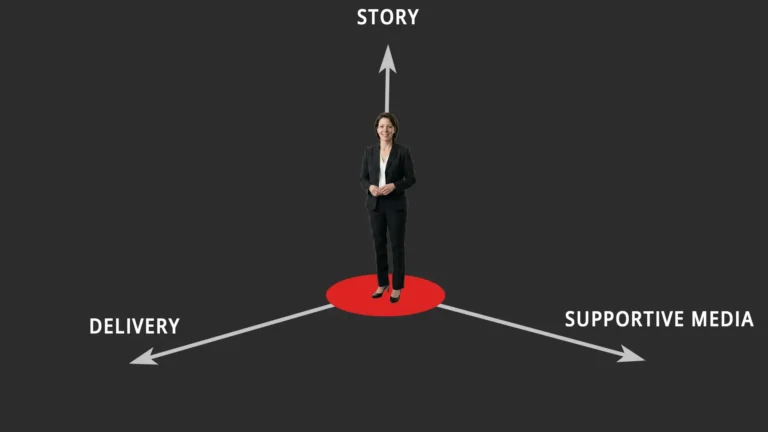
p1 is the basis of the presentation. It is the data, the story, the message that the presenter wishes to deliver to the audience. This section covers blog posts that address any part of the construction of p1; taking the “what” of the data and converting it into a “so what” for the particular audience. In particular, this covers audience needs, the value of a single, identifiable message, an elevator pitch, the arc of the story and development of sparklines.
The cornerstone articles on p1 are below but please surf through the links to gain a deeper understanding of why p1 (the story) is the basis of your presentation and must be the starting point in construction.
1.Hysteron proteron – the place to start with a presentation is the message.
2. It is not acceptable or valuable to just talk, you must have a message.
3. The aim and objective of a presentation are not the same thing.
4. The best presentations are planned analog. Shut the laptop and be creative.
5. Consider principally “why” you are presenting, not what to present.
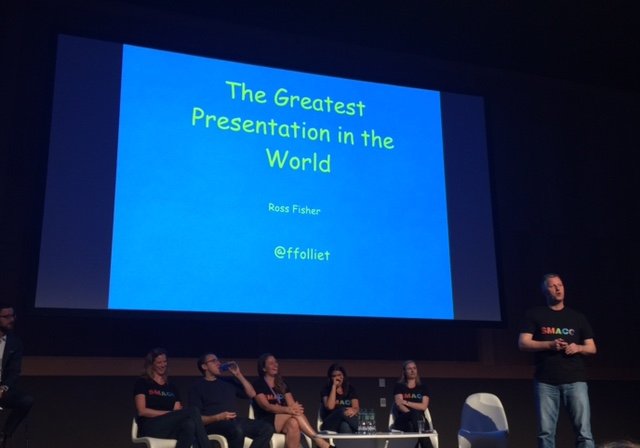
The Greatest Presentation in the World (tribute)
As titles of talks go, that is something to live up to. I was privileged to speak recently at a big conference and THAT was the title of the talk…
Miles ahead
Miles Davis, improvisational jazz wonder developed a new form of jazz outwith the accepted boundaries of music. He eschewed accepted understanding of chords and scales and gave the world…
One at a time please? One at a time
If you are going to use images in a presentation use them only one at a time. Multiple images in a slide are impossible to look at comfortably. The eye…
It’s not a shaggy dog story
Intro. Waffle waffle waffle, essential and potentially key interesting information. Waffle waffle waffle. Facts. Waffle waffle waffle. Build up with more key information. Waffle waffle waffle. Punchline. A great presentation…
Which part of your preparation took the most time?
A great presentation takes time. None of them fall from the heavens perfectly constructed and no great presenter steps on the stage having just written their piece last night. So…
On speaking to a wider audience. Don’t.
The message you deliver at a presentation may physically only be received by a few people but one should consider that it has value for a much wider audience. A…
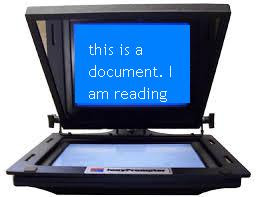
This is a document. I am reading it. Out.
If you turn on the radio, you can tell immediately whether the piece is a news broadcast or an interview or the presenter speaking directly to you. The reason is…
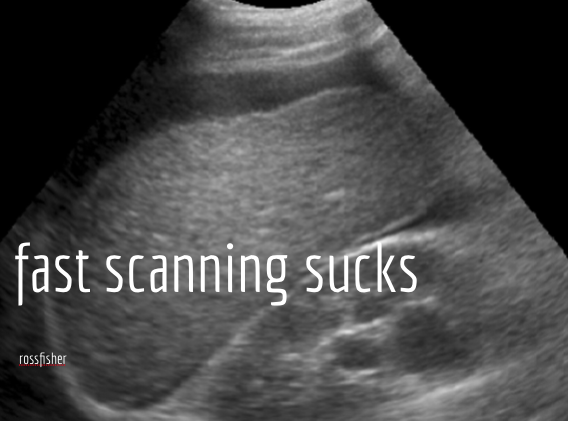
The best title slide blogpost, ever (ii)
How does one arrive at a great title for a great title slide? With difficulty. It is the culmination of consideration of the audience needs, the “so what” of your…