
p1

p1 is the basis of the presentation. It is the data, the story, the message that the presenter wishes to deliver to the audience. This section covers blog posts that address any part of the construction of p1; taking the “what” of the data and converting it into a “so what” for the particular audience. In particular, this covers audience needs, the value of a single, identifiable message, an elevator pitch, the arc of the story and development of sparklines.

The cornerstone articles on p1 are below but please surf through the links to gain a deeper understanding of why p1 (the story) is the basis of your presentation and must be the starting point in construction.

1.Hysteron proteron – the place to start with a presentation is the message.

2. It is not acceptable or valuable to just talk, you must have a message.

3. The aim and objective of a presentation are not the same thing.

4. The best presentations are planned analog. Shut the laptop and be creative.

5. Consider principally “why” you are presenting, not what to present.

p1 posts

Your message

Your message should identify the objective of the presentation. It is from your message that the audience will reconstruct the details of the presentation and may change their behaviour towards...

One change

One change to change your presentations, forever. One change to engage every audience you present to. One change to set you as an inspiration to everyone who seeks to improve…

Freytag’s Pyramid

Freytag’s Pyramid: Transform Your Presentation Into a Story How do you ensure your presentation doesn’t just inform but also engages and inspires your audience? One,effective tools for achieving this is…

Total recall

Are Your Medical Presentations Stuck in Recall Mode? Most medical presentations never move beyond the lowest level of learning. They flood audiences with facts, demand memorization, and hope something sticks.…

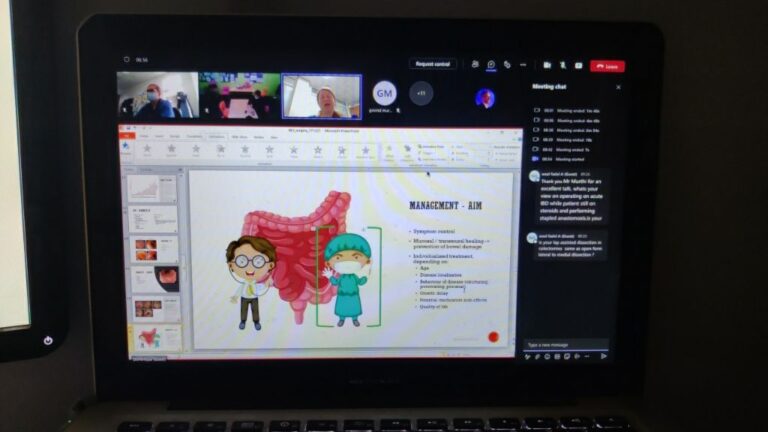
How to engage online audiences

How to engage online audiences

How to engage online audiences is a real challenge. There are a multiplicity of distractions and the audience has learned, very quickly, that the majority of online presentations are worse…

advocacy requires more than numbers

Advocacy needs more than numbers

The story of Ignaz Semmelweiss should be encouragement to many presenters that advocacy needs more than numbers to persuade audiences. Data alone, despite the underlying belief of many audiences, is…

three obstacles

Three obstacles

A useful tool in preparing a presentation is to consider the principal three obstacles an audience may have to accept the intended message. A great presentation has a single message…

Message not story

Message not story is the basis of a good presentation. We must communicate effectively with our audience and leave them with a message regarding the information delivered not simply a…

  • It was the best of times, it was the worst of times.

    The best books, the best films and the…

  • Acronyms rarely seem effective.

    There are many effective and helpful tricks to…

  • On memes and themes and analogies

    When choosing to using a meme, theme or…

  • Credit where credit is due.

    In a previous post I recalled my sadness…

  • er…thank you?

    A sentence without the final word is. A…

  • Cinderella got married

    Every great presentation has a message, one single…

  • Covering The Reichstag

    There is little guaranteed to strike more emotion…

  • Change the world by your next presentation

    Your next presentation should change the world. If…

  • The Greatest Presentation in the World (tribute)

    As titles of talks go, that is something…

  • Miles ahead

      Miles Davis, improvisational jazz wonder developed a…