
p1

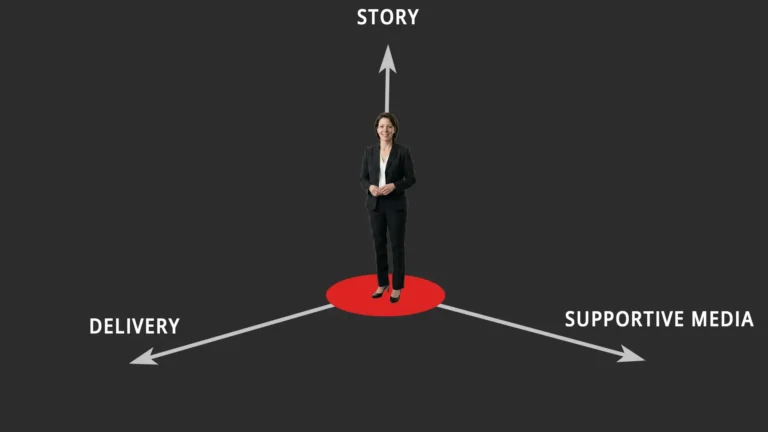
p1 is the basis of the presentation. It is the data, the story, the message that the presenter wishes to deliver to the audience. This section covers blog posts that address any part of the construction of p1; taking the “what” of the data and converting it into a “so what” for the particular audience. In particular, this covers audience needs, the value of a single, identifiable message, an elevator pitch, the arc of the story and development of sparklines.

The cornerstone articles on p1 are below but please surf through the links to gain a deeper understanding of why p1 (the story) is the basis of your presentation and must be the starting point in construction.

1.Hysteron proteron – the place to start with a presentation is the message.

2. It is not acceptable or valuable to just talk, you must have a message.

3. The aim and objective of a presentation are not the same thing.

4. The best presentations are planned analog. Shut the laptop and be creative.

5. Consider principally “why” you are presenting, not what to present.

p1 posts

structure

structure helps

Structure helps both the presenter and the audience. It underpins the message, the media and the delivery. Structure is essential. Without structure a presentation is challenging to deliver, seldom has…

listing facts

listing facts

Listing facts is the basis of most presentations. It is not effective teaching. The education value of such a presentation is very small, possibly even negative. As the audience read…

Structure helps retention

Structure helps retention of a message. A presentation is never a data download. It is simply not possible for an audience to retain large volumes of data delivered through a…

take home message

Take home message

A take home message can only be one item. We cannot remember more than three new items and most people at a presentation are not actively trying to memorise things.…

give message early

Give the message early

Give the message early in a talk so the audience will want to pay attention. If the message has value and relevance for them, they will follow the presentation. If…

lists of facts

Lists of facts do not make a good presentation. Sense is made by structure in an argument. Lists of facts impose a structure and hierarchy. Indenting text makes it sub-ordinate…

Be succinct

Be succinct. A great presentation has a single, portable, memorable message.

good analogy

Good analogy- guest post

A good analogy can make or break a presentation. It’s always a pleasure to share thoughts and ideas from other presenters on the site. I was pleased to receive this…

  • Your message

    Your message should identify the objective of the…

  • One change

    One change to change your presentations, forever. One…

  • Freytag’s Pyramid

    Freytag’s Pyramid: Transform Your Presentation Into a Story…

  • Total recall

    Are Your Medical Presentations Stuck in Recall Mode?…

  • How to engage online audiences

    How to engage online audiences is a real…

  • Advocacy needs more than numbers

    The story of Ignaz Semmelweiss should be encouragement…

  • Message not story

    Message not story is the basis of a…

  • listing facts

    Listing facts is the basis of most presentations….

  • Structure helps retention

    Structure helps retention of a message. A presentation…

  • Take home message

    A take home message can only be one…