The blue wave is everywhere you look, and it defines presentations. Not from a design perspective because it sucks, but because it defines how you and the world have learned to give presentations, by copying. If presenting feels hard, it is not because something is wrong with you. It is because no one ever showed you how to do it differently. You inherited a format, the template. The software opens with a title box, a bulletpoint list and the default template background. You went with the blue wave because everyone else does. You’re not lazy or careless, you are just doing what the system does; the blue wave.
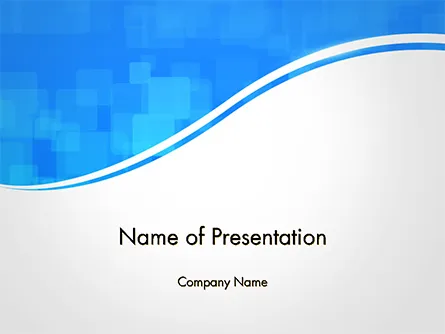
You believed that your job was to get through the slides. You believed that detailed slides meant coverage of the topic. You believed that detail demonstrated scientific rigour. You believed that the handout covered everything. You thought that more information meant more value. You thought the blue wave was cool.
So you did what everyone else did. You did what you saw the chiefs and the experts do, maybe even better than them. Your slide deck was at the centre of the everything and contained everything anyone could want from references, to graphs and tables and so many facts. And you read it out, keeping to time. You did what you thought was the best, even down to the blue wave. This was your achievement, just like all the rest.
The ability to present effectively is not about copying though, it is a skill, a learnable, evidence-based, purposeful skill. You do not need to be charismatic or a born storyteller. You do need to understand how people process information, how the brain of the audience works, and how messages can be moved from you into action by your audience. That is the shift. That is where the p³ model of presentations begins. You don’t need the blue wave.
Every presentation is the product of three components. Your message. Your media. Your delivery. The quality of each matters. This model does not ask you to become someone else, someone you are not. It simply asks you to be clear in your message about what you are trying to say, to build your media that supports your message and to deliver it in a way that respects the audience’s time and attention.
You are not broken. You were not wrong. You were just looking in the wrong direction. Now it is time to turn around.
And yes, please stop using the blue wave.
15 years ago I thought that the blue wave looked cool..
But since I did art at school my wave went left to right as more appropriate for a moving onwards slide.
I don’t think it was ever cool. Common, yes. Cool? Not so much.